
Support for autistic children, adolescents, adults and families
Autism shapes how a person experiences communication, emotions, relationships, sensory input, and daily routines — and this looks different at every stage of life.
Whether you’re a parent seeking support for your child, a young person working through school or social challenges, or an adult making sense of a recent diagnosis or navigating work and relationships, support is available here.
The aim is not to change who someone is, but to help them feel more understood, supported, and confident in their day-to-day life.
When autism support may be helpful
Families and individuals often seek support when they are experiencing:
- emotional regulation challenges, shutdown, or burnout
- difficulty in social situations, at school, work, or in relationships
- anxiety related to routines, transitions, or change
- sensory sensitivities that affect daily life or work
- frustration, withdrawal, or persistent overwhelm
- tension within family or relationship dynamics
- a recent autism diagnosis in adulthood and wanting to make sense of it
- challenges in the workplace, including managing expectations or communication
- seeking support as part of an NDIS plan
Support may be helpful whether autism has been formally diagnosed or is still being explored.

Understanding before intervening
Autism presents differently in every individual. Therapy begins with understanding how a person experiences the world, what feels stressful, and where support is most needed.
Sessions focus on building insight into emotional patterns, communication styles, sensory needs, and stress responses. From there, support centres on practical strategies that align with the individual’s strengths and preferences.
The emphasis is on reducing overwhelm and strengthening confidence, not on masking or forcing conformity.
Support for autistic adults
Many adults receive an autism diagnosis later in life — sometimes after years of feeling like something was off, or after a child’s diagnosis prompts their own reflection. For others, the diagnosis has been there for a while, but meaningful support hasn’t.
Life as an autistic adult brings its own set of challenges: managing workplace demands, navigating relationships, dealing with burnout, or simply trying to understand yourself better.
Support for adults focuses on practical strategies that fit real life — not a one-size-fits-all approach. Sessions may explore emotional regulation, communication, managing sensory overload, workplace adjustments, or working through the experience of a late diagnosis.
If you have NDIS funding for psychology, get in touch and we can discuss your options



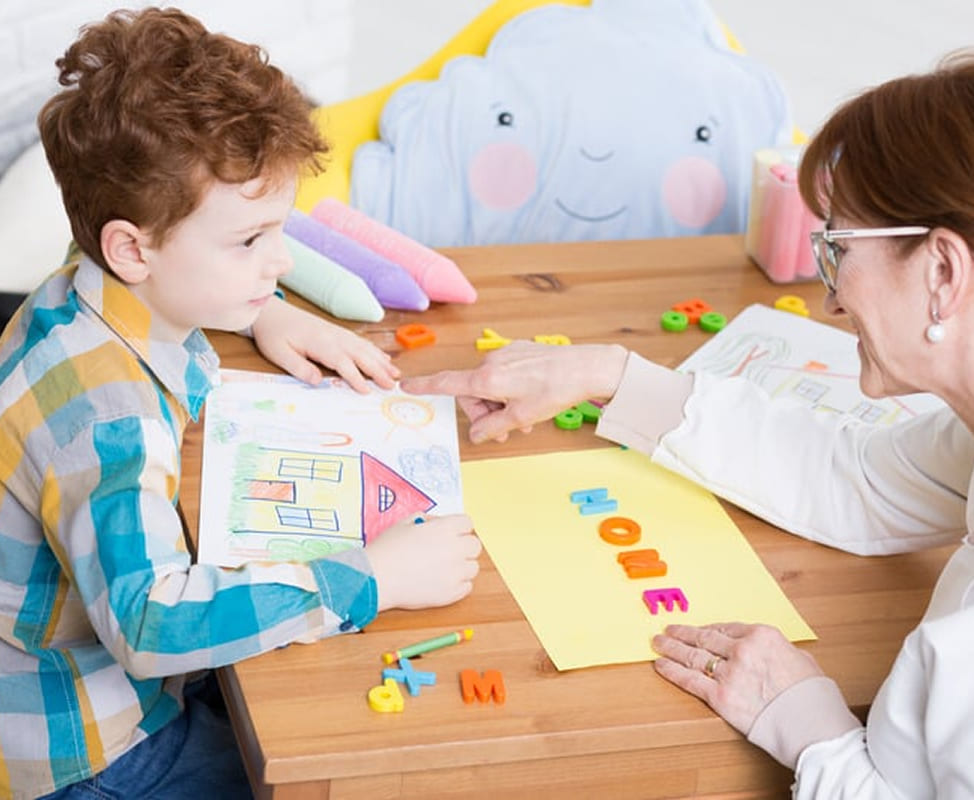
How autism support works at Zen Psychology
Autism support may involve:
- developing emotional regulation tools
- supporting communication and self-advocacy
- exploring sensory needs and environmental adjustments
- strengthening family understanding and connection
- working through school, workplace, or social challenges
- supporting adults processing a late or recent diagnosis
- working collaboratively with parents, caregivers, or support people where appropriate
Sessions are adapted to the individual’s developmental stage, communication style, and pace. Parental involvement is often included to help carry understanding and strategies into everyday life.
Supporting the wider family
When one family member experiences the world differently, the whole family adapts. Parents may feel unsure how to respond. Siblings may feel confused. Young people may feel misunderstood.
Support creates space to build shared understanding without blame. The focus is on helping each family member feel heard and supported.


A respectful and neuro-affirming approach
The clinic environment is designed to feel calm and predictable. Many autistic individuals feel overwhelmed in busy or highly stimulating settings. Sessions are structured with care and flexibility.
Work is grounded in evidence-based practice while recognising neurodiversity as part of natural human variation. Support aims to build regulation, confidence, and connection in ways that feel authentic.
Taking the next step
If autism-related challenges are affecting daily life and you would like support, you are welcome to reach out.
You do not need to have everything clearly defined before booking, and questions are always welcome.